

How to Choose an Ice Bath Machine: A Practical Buyer’s Guide
Ice Bath Chiller Buying Guide: How to Choose the Right Cold Plunge Unit
Cold water immersion has transitioned from an exclusive recovery method for professional sports facilities to a mainstream home wellness ritual, widely adopted in residential garages and backyards. Ice bath chillers, also referred to as cold plunge units, enable users to access consistently chilled therapeutic water without the repetitive cost and hassle of purchasing disposable ice bags. However, with consumer-grade equipment spanning a broad price range from several hundred to thousands of dollars, many buyers struggle to select a unit that fits their needs. This comprehensive guide covers all critical purchasing criteria, including the two primary system configurations, cooling power ratings, water filtration performance, operational noise, installation requirements, and long-term running expenses, helping shoppers make confident, well-rounded decisions.
Integrated System vs. Separate Chiller Setup
Consumers first need to choose between two mainstream ice bath configurations: all-in-one integrated systems and modular setups with standalone chillers and independent tubs.
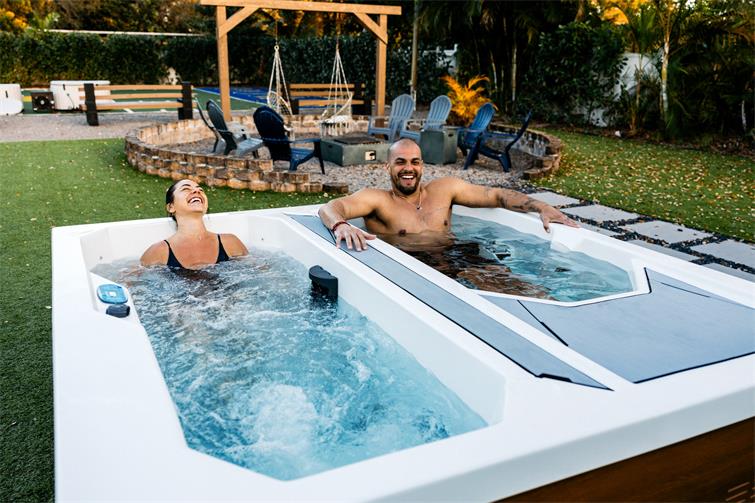
Integrated units combine a chiller, filtration system, water tub, and control panel into a single compact device. Boasting a streamlined, aesthetic design and a fixed footprint, these systems offer plug-and-play simplicity, requiring only water filling and temperature adjustment for immediate use. Despite their user-friendly operation and premium appearance, integrated ice baths come with notable drawbacks. Priced between $4,000 and $10,000 or higher, they represent a substantial upfront investment. Their heavy, unified structure makes storage or relocation impossible. As such, they are best suited for permanent installations in dedicated home gyms or professional wellness studios.
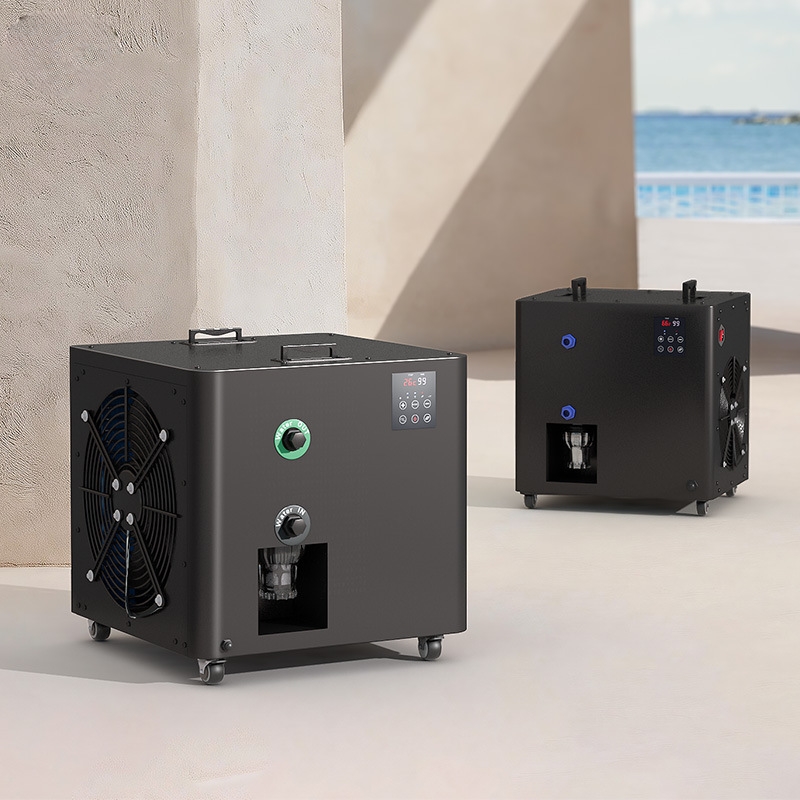
Modular setups pairing standalone chillers with independent tubs are the most popular option for household users. Consumers can match a 0.5–1.5 HP standalone chiller with an inflatable, fabric, or rotomolded plastic tub. The chiller connects to the tub via external hoses, continuously drawing, cooling, and recirculating water to maintain consistent temperatures. This configuration delivers outstanding overall value, with total costs ranging from $800 to $3,000. It supports flexible use: users can drain, disassemble, and fold the tub for compact storage. Maintenance is also cost-effective, as damaged tubs or faulty chillers can be replaced individually instead of replacing the entire system. The minor tradeoffs include visible connecting hoses and slightly more assembly work compared to all-in-one integrated models.
Cooling Power and Temperature Range
A chiller’s cooling capacity is measured in horsepower (HP). Higher horsepower translates to faster active cooling and superior temperature recovery. This ensures the device can quickly lower water temperature and stabilize conditions again after user immersion, delivering consistent therapeutic effects.
Most consumer ice bath chillers feature a minimum operating temperature of 3–4°C (37–39°F). A small number of premium models claim to reach 1–2°C (34–35°F), though sub-4°C operation carries inherent risks. Stagnant water inside the unit may freeze when water circulation pauses, potentially damaging the internal pump. For most recreational users and wellness enthusiasts, a stable temperature range of 4–10°C fully meets standard cold immersion recovery needs. All buyers should verify a product’s official minimum rated temperature before purchasing.
Filtration and Water Sanitization
Ice bath systems retain water for weeks or even months of continuous use, making reliable water treatment features non-negotiable. Without effective purification, bath water will turn cloudy, develop unpleasant odors, and harbor irritants that trigger skin discomfort.
High-quality consumer chillers are equipped with two-stage filtration systems to trap physical contaminants and impurities. However, filtration alone only removes solid particles and cannot eliminate invisible microorganisms like bacteria, viruses, and algae. Top-tier units integrate dedicated sanitization technology, with ozone (O3) and UV-C light being the two most common solutions.
Ozone sanitization delivers powerful, comprehensive disinfection but produces a subtle, rainstorm-like scent during operation. UV-C sanitization operates completely odor-free yet relies on clear water to maintain optimal disinfection efficiency. Premium dual-sanitization models combine both technologies for layered, robust water purification.
For chillers without factory-built sanitization modules, users can install external inline UV units or manually apply mild oxidizing agents such as hydrogen peroxide and specialized spa treatment solutions. It is critical to avoid chlorine and bromine products in metal-lined tubs, as these chemicals cause irreversible corrosion to internal equipment components.
Operational Noise Levels
Ice bath chillers function similarly to portable air conditioners and refrigerator compressors, with significant variation in operational noise across different models. Noise performance is especially vital for indoor and residential installations.
Shoppers are advised to prioritize products labeled with “silent operation” or “low-noise pump” specifications. If official decibel (dB) ratings are not listed on product specifications, real-user reviews offer reliable insights into everyday noise levels. Notably, the circulating pump required for continuous water flow generates a consistent low hum, which contributes to the unit’s overall operational sound.
Long-Term Operational Costs
The upfront purchase price is only a portion of the total cost of ownership. Prospective owners must account for ongoing expenses including replacement filters, sanitization accessories, minor maintenance parts, and routine consumables.
While these recurring operational costs add up over time, modular and integrated chiller systems remain far more cost-efficient long-term than repeatedly purchasing disposable ice bags for manual cold immersion.
Final Thoughts
An ice bath chiller is a worthwhile long-term investment for personal physical recovery, wellness routine building, and daily comfort. By selecting a system configuration and specifications aligned with your living environment, usage frequency, and budget, you can build a hassle-free home cold immersion setup and enjoy consistent therapeutic cold water therapy without the inconvenience of traditional ice-filled tubs.