
Which Countries Are Most Suitable for Ice Bath Machines? A Global Analysis
Which Countries Are Most Suitable for Ice Bath Machines? A Global Analysis
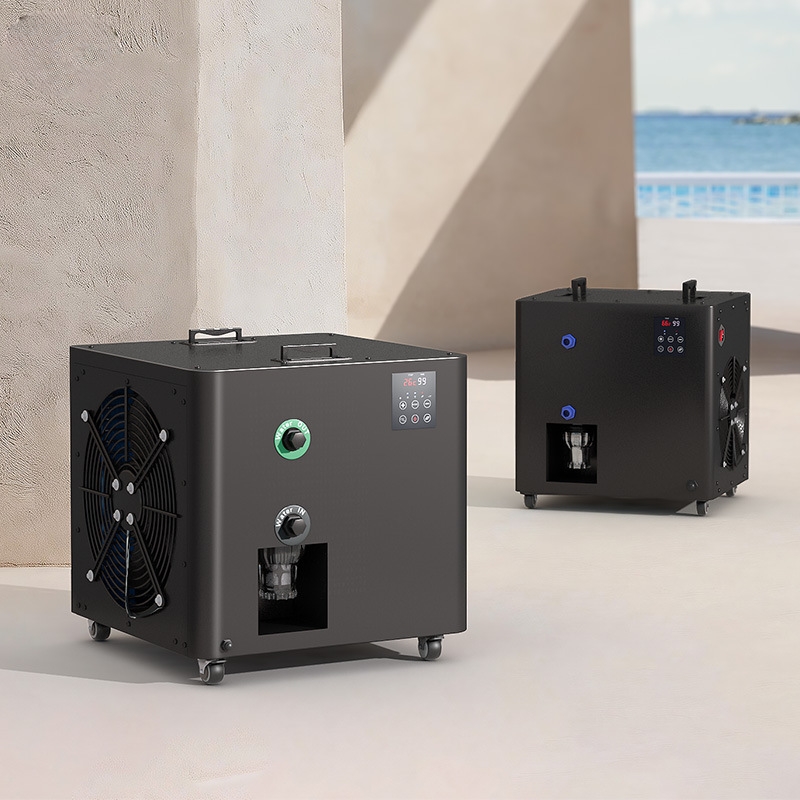
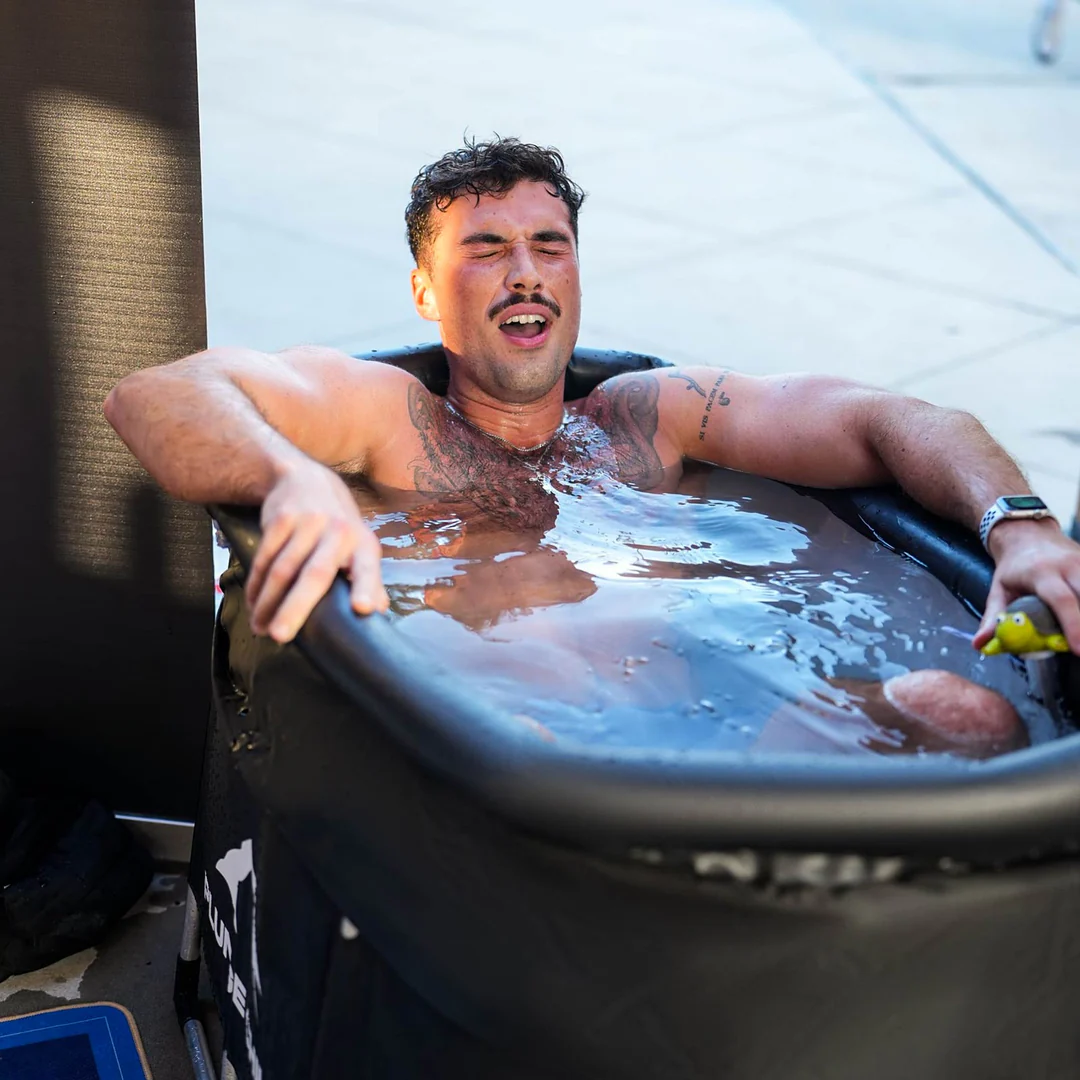
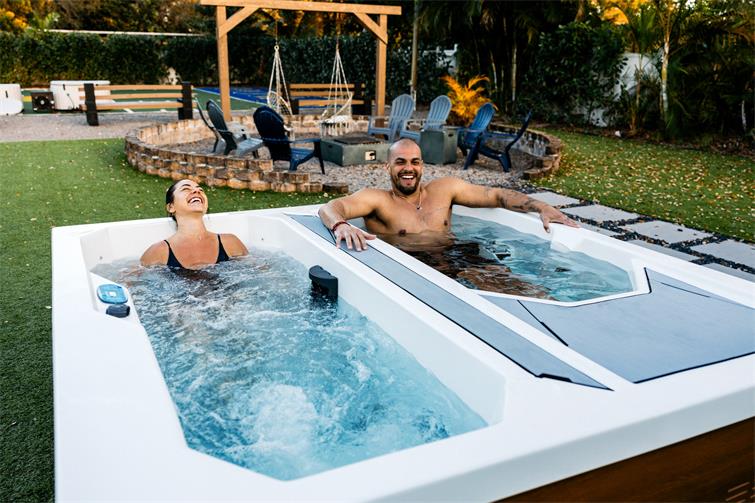
Ice bath machines, specialized devices designed to cool and filter water for routine cold water immersion therapy, have surged in popularity as a global wellness staple. Despite their rising worldwide demand, the practical applicability of this equipment varies drastically across different nations. While consumers globally have the option to purchase water chillers and bathing tubs, a mix of real-world conditions dictates whether ice bath machines deliver tangible value in local markets. Key determining factors include regional weather patterns, stable power supply, tap water standard, consumer purchasing capacity, public perceptions of cold water therapy, and accessible after-sales maintenance and replacement parts. This paper explores the regional traits that foster the popularization of ice bath machines and pinpoints top markets ideal for this wellness device.
1. Tropical and Subtropical Zones with Persistently Warm Weather
Contrary to common assumptions, ice bath chillers deliver the greatest practical value in regions dominated by warm and hot weather year-round. In frigid zones, users can easily access naturally cold tap water in winter or supplement tubs with household ice for cold immersion. In tropical and arid areas, however, regular tap water typically sits between 25°C and 30°C (77°F–86°F), a temperature range too mild for therapeutic cold therapy. Without professional cooling equipment, individuals need to buy large quantities of packaged ice every day, which incurs high recurring costs, generates excessive waste, and poses logistical hurdles for personal and commercial use.
For this reason, tropical and subtropical regions stand out as prime markets for ice bath machines:
Southeast Asian Nations (Thailand, Vietnam, Malaysia, Indonesia, Philippines): Constant high temperatures and humidity make cold water immersion an ideal solution for physical recovery and heat relief. Major urban hubs including Bangkok, Ho Chi Minh City and Bali host growing expatriate populations and affluent local residents, fueling steady expansion in the domestic home ice bath chiller market.
Middle Eastern Nations (UAE, Saudi Arabia, Qatar, Kuwait, Oman): Extreme summer temperatures often exceeding 45°C (113°F) eliminate all natural sources of cold usable water. Wealthy private consumers, premium fitness centers and high-end spas across Dubai, Abu Dhabi and Riyadh form a robust target customer base. It is worth noting that outdoor installation requires specialized dust-proof and heat-resistant equipment adapted to harsh desert climates.
Mediterranean and Subtropical Territories (Southern Spain, Italy, Greece, Cyprus, Israel, California, Australia): Characterized by scorching dry summers and mild winters, these regions require artificial water cooling for around eight months annually to reach the therapeutic temperature threshold of below 15°C (59°F). Coupled with mature wellness cultures and consistent power infrastructure, these areas offer perfect conditions for ice bath machine adoption.
In all the above regions, the active cooling function of ice bath machines sees nearly daily use, justifying consumers’ initial equipment investment.
2. Temperate Regions with Four Distinct Seasons
Countries with temperate climates experience frigid winters and warm summers, creating seasonal demand fluctuations for ice bath equipment. During winter, ambient outdoor temperatures drop close to freezing, making mechanical water cooling largely unnecessary; many locals opt for unchilled tub soaks or natural water body immersion instead. From spring through autumn, however, ice bath chillers become essential tools for effective cold therapy.
Representative markets in this category include:
Western and Central Europe (Germany, France, Netherlands, UK, Poland, Austria): These countries feature reliable power grids, strong household disposable income, and fast-growing public interest in biohacking and physical recovery techniques. The primary market constraint is limited living space, as most urban residents occupy apartment units without private outdoor yards or dedicated storage space. Compact, low-noise indoor ice bath chillers are the most suitable product type for this region.
Northern United States and Canada: This is a well-established consumer market, with strong demand from professional athletes and casual fitness enthusiasts. Mechanical cooling is indispensable in hot summers. In winter, users commonly power off chillers and utilize naturally cold tap water (5°C–10°C / 41°F–50°F) or supplementary snow for immersion. For Canadian users, outdoor-installed units require thorough draining and thermal insulation to prevent internal component damage from freezing weather.
East Asia (China, South Korea, Japan): Boasting cold winters and humid, sweltering summers, these three countries feature advanced urbanization, stable electricity supply and long-standing local wellness traditions, such as Japanese onsen and Korean jjimjilbang, laying a solid cultural foundation for cold immersion therapy. That said, inconsistent tap water quality necessitates additional filtration systems. Market growth is concentrated in high-income urban centers including Shanghai, Seoul and Tokyo.
Consumers in temperate zones typically use ice bath machines for 6 to 9 months per year. Even with seasonal usage, the equipment remains cost-efficient compared to the continuous purchase of disposable ice.
3. Nordic and Arctic Cold-Climate Regions
On the surface, high-latitude cold-climate countries including Norway, Sweden, Finland, Iceland and Russia appear to have little need for mechanical ice bath equipment, thanks to accessible frozen lakes and snow cover for natural cold exposure. Nevertheless, multiple subtle advantages support local demand for ice bath machines.
First, indoor equipment delivers year-round accessibility and convenience. Most Nordic residents maintain post-sauna cold immersion habits, yet not all have convenient access to natural frozen water bodies. Household ice bath machines enable at-home cold therapy anytime, which is particularly valuable during long, dark, freezing winters.
Second, residential tap water in extreme cold regions is pre-heated for household use, and buried water pipelines prevent tap water from freezing, keeping its temperature at 5°C–10°C (41°F–50°F). Professional chillers are still required to reach the optimal therapeutic temperature of 4°C (39°F).
Third, local sauna traditions drive structured cold therapy demand. In Finland and Sweden, alternating sauna sessions and cold immersion is a time-honored custom. Ice bath machines offer a hygienic, fully controllable alternative to traditional snow rolling or lake ice hole immersion.
Even so, the market scale in cold zones remains smaller than warm regions, as natural cold resources provide free substitutes for over half the year.
4. Regions with Inadequate Infrastructure and Low Purchasing Power
Ice bath machines are electric-dependent wellness appliances that require a stable 110–240V power supply and operate with a power consumption of 300 to 1500 watts. They also rely on relatively clean tap water; excessive sediment, iron content or water hardness will clog internal filters and erode heat exchange components, shortening equipment lifespan.
As a result, regions with substandard infrastructure and economic conditions are less ideal for ice bath machine popularization:
Areas with unstable power supply (Sub-Saharan Africa, rural India, Bangladesh, Pakistan): Frequent power outages make it impossible for chillers to sustain consistent water temperatures, leading to rapid water temperature rises and ineffective therapy. While diesel generators can serve as alternative power sources, they introduce extra noise pollution and operational costs.
Regions with poor tap water quality (parts of India, Indonesia, Philippines, Nigeria): Though external pre-filtration accessories can mitigate water quality issues, high sediment concentrations require frequent filter replacement, significantly increasing long-term maintenance costs and workloads.
Low-income regions (most of Sub-Saharan Africa, Central Asia): Ice bath machines remain premium luxury equipment, with entry-level models starting at $500 and high-end versions costing $1500 or more. Regardless of climatic conditions, the upfront procurement and ongoing operational costs are unaffordable for the vast majority of local residents. Only high-end hotels and commercial gyms form a niche market, with no potential for mass consumer adoption.
5. Regions with Mature Fitness and Biohacking Cultures
Beyond climate and infrastructure, cultural trends act as a critical driving force for ice bath machine penetration. This equipment gains the highest popularity in countries with widespread fitness facilities, thriving biohacking communities, and strong social media-driven wellness trends.
Leading markets with favorable cultural environments include:
United States: The world’s largest ice bath machine market. Cold water immersion therapy has exploded in popularity across all user groups, from professional athletes to ordinary social media enthusiasts. Diverse national climates, reliable power infrastructure, and a prevalent culture of private home gym construction collectively fuel market expansion.
Australia: Boasting one of the world’s highest per capita ice bath machine ownership rates, the country benefits from year-round warm weather, a robust sports culture covering rugby, surfing and Australian rules football, and a prosperous local wellness industry.
United Kingdom: The market is undergoing rapid growth, especially among health-focused professional groups in London and major sports clubs specializing in rugby and football. Even with its cool, damp climate, mechanical cooling is still necessary for effective summer cold therapy.
Germany and Scandinavian Countries: Deeply rooted sauna and cold exposure traditions, high household disposable income, and local appreciation for precision-engineered equipment support steady demand for premium ice bath chillers.
UAE (primarily Dubai): The combination of extreme summer heat, high resident wealth, and influential social media wellness trends has created a booming luxury ice bath machine market, with equipment widely integrated into private villas and rooftop leisure spaces.
6. Special Scenarios: Island and Remote Territories
Island nations including New Zealand, Ireland and Iceland feature mild temperate climates and stable power supplies. However, the heavy weight of ice bath equipment leads to expensive international shipping, while limited local service networks create maintenance barriers. Despite these drawbacks, dedicated wellness consumers in these regions still actively adopt the equipment. For US-based Hawaii and Caribbean island territories, perpetual warm weather makes ice bath chillers highly desirable, yet high humidity and salty coastal air will corrode outdoor equipment without professional marine-grade anti-corrosion treatment.
Conclusion: Defining the Ideal Ice Bath Machine Market
Countries perfectly suited for ice bath machine popularization integrate four core advantages: year-round warm or hot climates to ensure frequent equipment usage, stable power grids and qualified tap water to reduce operational and maintenance risks, sufficient consumer purchasing power or mature commercial wellness industries, and open public attitudes toward cold therapy, fitness optimization and biohacking practices.
Based on these criteria, the top global markets include the United States, Australia, the United Arab Emirates, Germany, the United Kingdom, Canada, Japan, South Korea and Singapore. Among developing tropical nations, only high-income consumer groups in Brazil, Mexico, Thailand and South Africa demonstrate notable adoption rates.
For extremely cold regions, natural resources render mechanical ice bath equipment redundant for most of the year, while low-income regions cannot afford the associated costs. For all other territories with warm climates, stable infrastructure and health-conscious populations, ice bath machines have evolved from niche luxury goods to standard physical recovery equipment.
As manufacturing technology advances to lower equipment costs and improve energy efficiency, ice bath machines will penetrate more global markets over the next decade. Currently, the most viable and high-potential consumer markets remain regions with abundant sunlight, stable public infrastructure and strong consumer spending power.