

Ice Bath Machines: A Complete Guide to Their Essential Functions
Core Functions and Key Features of Modern Ice Bath Machines
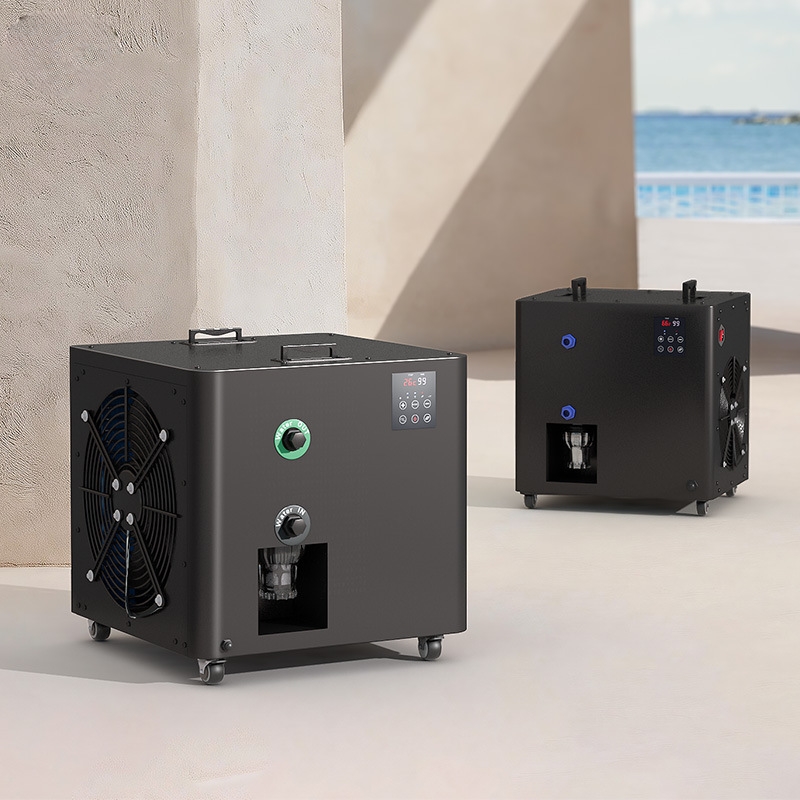
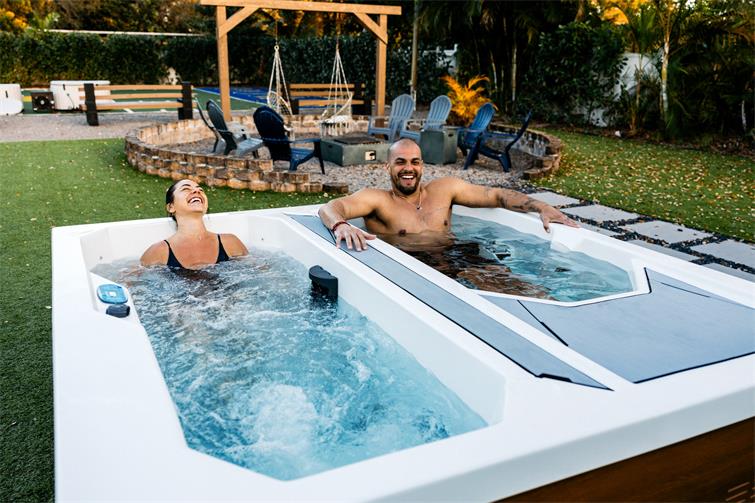
Cold water immersion was once exclusive to elite athletes and professional rehabilitation facilities, yet it has evolved into a mainstream wellness practice worldwide. Driving this widespread adoption is the ice bath machine, also widely known as a cold plunge chiller. Unlike basic ice-filled tubs, dedicated ice bath chillers are sophisticated wellness equipment engineered to deliver superior convenience, safety, and consistent therapeutic benefits.
For anyone planning to purchase an ice bath chiller, a clear understanding of its core functionalities is essential. This article comprehensively breaks down the full range of capabilities equipped in modern ice bath machines, covering fundamental cooling performance, advanced water hygiene systems, and intelligent smart control features.
The foundational purpose of every ice bath machine is to cool and sustain water at therapeutic temperatures, ranging from 4°C (39°F) to 15°C (59°F). Standard ice-filled tubs suffer from gradual ice melting and rising water temperatures, which undermine immersion quality. In contrast, professional chillers maintain stable water temperatures through continuous water circulation and refrigeration cycles.
The refrigeration system relies on three core components — a compressor, an evaporator, and a heat exchanger — to steadily extract heat from circulating water. Cooling power is measured in horsepower (HP) or BTUs. A 0.5 HP chiller meets the cooling demands of compact personal tubs, while 2 HP and higher units support large-capacity tubs and frequent commercial or high-volume personal use. Most modern models adopt precision digital thermostats with a temperature deviation of only ±0.5°F. This strict temperature consistency is vital, as scientific research confirms that key benefits of cold immersion — including reduced bodily inflammation, enhanced blood circulation, and boosted endorphin production — are only maximized within precise temperature ranges, with temperature fluctuations greatly weakening therapeutic outcomes.
Beyond foundational cooling capabilities, premium ice bath machines integrate multi-dimensional temperature regulation systems to adapt to diverse user scenarios.
A typical ice bath tub holds 50 to 150 gallons of water. Draining and refilling water after every single use is extremely wasteful and impractical for long-term daily use. As a result, professional filtration systems stand as an indispensable core feature of qualified ice bath chillers.
Virtually all standard ice bath machines are fitted with multi-stage filtration modules. Without effective filtration, standing bath water will quickly turn turbid, develop bacterial biofilm and produce unpleasant odors. High-quality filtration systems effectively remove suspended impurities in water, extending the service cycle of bath water from just a few days to multiple months. With routine proper maintenance, users can reuse the same body of water for three months or longer.
While filtration eliminates physical particulate contaminants, it cannot completely eradicate invisible microorganisms. To guarantee comprehensive water hygiene, modern ice bath machines are equipped with active sanitization systems. Ozone (O₃) generation and ultraviolet-C (UV-C) irradiation are the two most prevalent sanitization technologies in the industry. Top-tier models integrate both dual sanitization solutions to achieve layered, reliable water purification. In comparison, chillers without built-in sanitization functions require manual addition of disinfectants such as hydrogen peroxide, which is less convenient and fails to deliver consistent, stable sanitization effects.
Ice bath chillers cannot cool stagnant water, making circulating pumps another essential component. The pump extracts water from the tub, pushes it through the filtration system and heat exchanger for purification and cooling, then recirculates treated water back into the tub. This continuous closed-loop operation undertakes multiple critical tasks for consistent water quality and temperature control. Most devices support adjustable flow rates: higher flow rates accelerate water cooling but may generate visible water currents and splashing, while moderate flow settings deliver quiet, smooth and gentle circulation suitable for most daily immersion scenarios.
Though often overlooked, noise reduction is a pivotal practical feature, especially for indoor household installation. Ice bath machines generate operational noise from two primary sources: the compressor (with sound characteristics similar to household refrigerators) and the circulating water pump. Manufacturers adopt a variety of structural and material optimization strategies to suppress operational noise. Well-engineered chillers operate almost imperceptibly in garages and basements, while ultra-quiet premium units are quiet enough for installation in apartment balconies and home offices.
Cold water immersion carries potential physical risks without standardized control and protection. Reputable ice bath machine manufacturers integrate comprehensive safety mechanisms into device design to eliminate potential hazards and ensure user safety during immersion.
Contemporary high-end ice bath machines are embedded with IoT connectivity features. These intelligent functions transform traditional passive immersion equipment into a smart component of personal health management systems, enabling users to monitor immersion data, adjust device parameters and track recovery effects in real time.
In addition to all-in-one integrated ice bath systems, detachable portable chillers are widely popular in the consumer market, compatible with independent third-party tubs. Unlike fixed integrated equipment that serves as permanent home installations, portable chillers prioritize space flexibility and mobility. Users can disassemble and store the equipment when not in use or transport it to vacation houses and outdoor venues for immersive cold therapy anytime.
A subtle yet high-value functional advantage lies in the machine’s waste heat management system. The compressor and condenser inevitably produce waste heat during operation. Well-designed chillers guide hot exhaust air away from users and tubs via side or rear ventilation openings. Premium models support external ducting installation, which discharges waste heat outdoors, preventing indoor temperature rises while improving overall cooling efficiency. Furthermore, the device shell is equipped with professional thermal insulation layers to stop external ambient heat from penetrating and warming the internal circulating water, stabilizing cooling performance.
When selecting and purchasing an ice bath machine, consumers should not merely focus on upfront pricing. It is critical to match device functions with personal usage scenarios, installation environments and long-term usage demands.
Ultimately, a high-quality ice bath machine consistently delivers cold, clean and safe immersion water for every use. By fully understanding the complete set of built-in functions — from core mechanical cooling components to intelligent smart control systems — users can make well-informed purchasing decisions and own durable, high-performance equipment to support long-term physical recovery and daily wellness maintenance.