

Ice Bath Before or After Workout: Which Delivers Better Fitness Results?
Ice Bath Before or After Workout: Which Delivers Better Fitness Results?
Ice baths have emerged as one of the most popular wellness and recovery trends across the fitness industry. Widely endorsed by professional athletes and health influencers, cold water immersion is praised for easing post-training muscle soreness and accelerating physical recovery. However, one critical question continues to puzzle fitness enthusiasts: what is the optimal timing for cold plunges — before or after a workout? While ice baths effectively alleviate bodily inflammation, immediate post-workout cold exposure may hinder long-term muscle hypertrophy. This article breaks down the science, advantages, and downsides of pre-workout and post-workout ice baths, helping you tailor cold therapy to your unique fitness goals.
Understanding Cold-Water Immersion Therapy
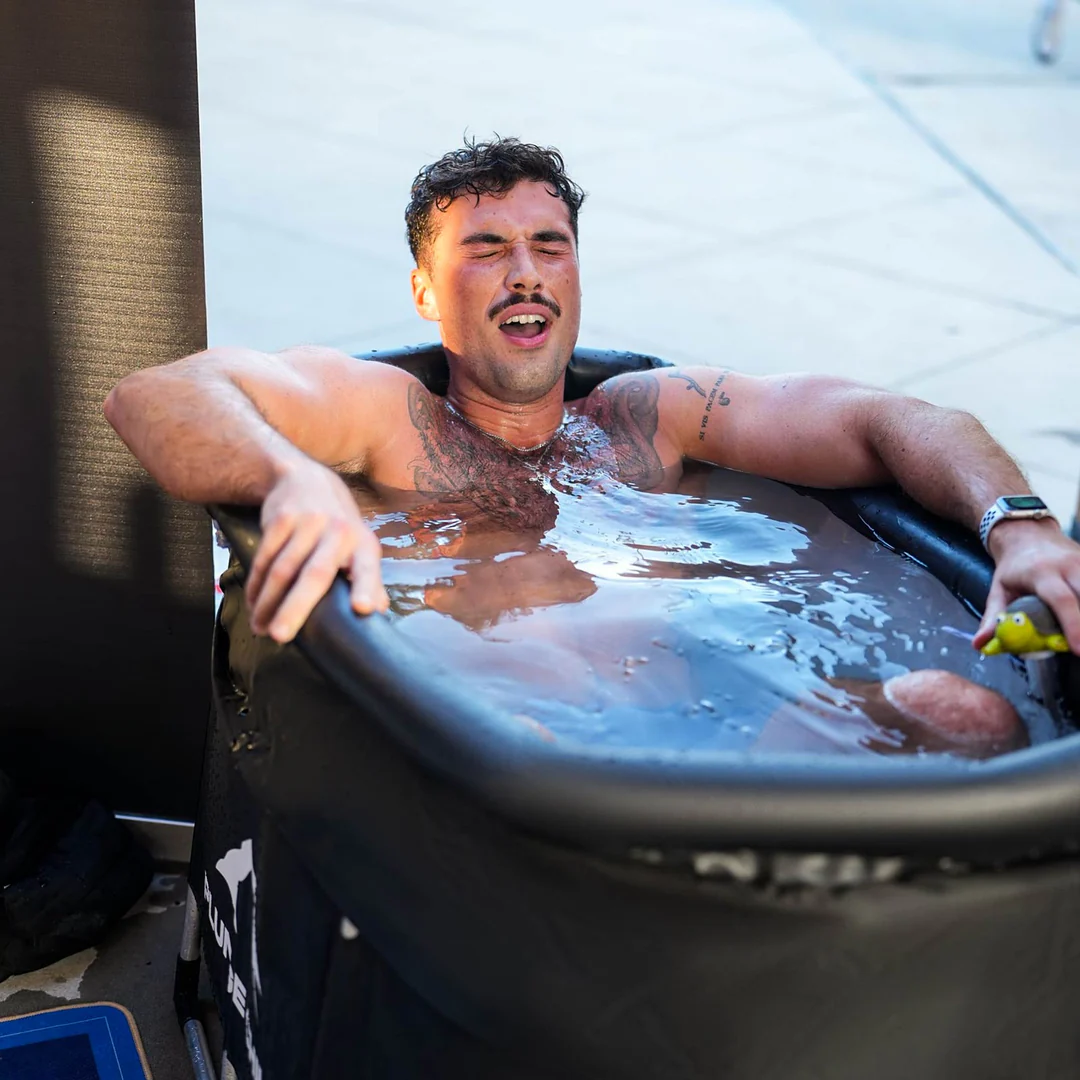
Commonly known as ice bathing or cold plunging, cold-water immersion therapy is a evidence-backed wellness practice growing rapidly among casual trainers and professional athletes. The practice involves submerging the body (typically up to the shoulders or neck) in controlled cold water ranging from 3°C to 15°C (37°F–59°F) for short periods. Though brief cold exposure may feel uncomfortable initially, it delivers unique systemic benefits that conventional recovery methods cannot match.
Ice bathing acts as a controlled stressor for the human nervous system, similar to how weightlifting and running challenge muscular endurance. Consistent cold immersion trains the body and brain to adapt to short, intense physical stress, building overall bodily resilience. Mentally, regular ice baths lower cortisol levels, relieve anxiety, and enhance emotional fortitude and mental clarity.
Physiologically, cold water immersion reduces exercise-triggered inflammation and boosts lymphatic circulation. This enhances the body’s ability to flush metabolic waste from tissues and organs, mitigating delayed onset muscle soreness (DOMS), reducing training fatigue, and supporting faster recovery between high-intensity workout sessions.
Pre-Workout Ice Baths: Performance Boost or Limitation?
Pre-workout cold immersion, also referred to as pre-cooling, is a specialized training technique designed to optimize exercise performance. Many fitness users wonder whether pre-workout ice baths enhance workout quality or introduce unnecessary drawbacks. The following scientific analysis covers its core benefits and potential limitations.
Key Benefits
Pre-cooling delivers the most noticeable advantages for training in hot and humid environments. By lowering core body temperature before physical exertion, ice baths reduce thermal strain on the body, extending endurance and stabilizing athletic performance during summer outdoor runs, HIIT training, and high-heat workouts. A 2012 BMC Medicine study verified that cold-water immersion stands out as the most effective pre-cooling solution for exercising in warm climates.
Beyond physical temperature regulation, pre-workout cold immersion activates the body’s natural fight-or-flight stress response. This physiological reaction sharpens sensory awareness, boosts energy levels, and improves mental focus, effectively solving pre-workout fatigue and low motivation. A 2023 MDPI study conducted by Yankouskaya and fellow researchers confirmed that just five minutes of whole-body cold-water immersion at 20°C significantly improved participants’ activeness, alertness, confidence and positive mood, while reducing stress and nervousness.
Even when the brain recognizes a safe environment, the body’s activated stress response generates sustained energy and concentration, perfectly priming both body and mind for high-quality training sessions.
Potential Drawbacks
Despite performance and mental benefits, pre-workout ice baths carry tangible limitations for strength-focused training. Sudden cold stimulation stiffens muscle fibers and slows muscular reaction speed, compromising strength, explosive power and sprint performance. According to research published on Wiley Online Library, upper-body muscle groups are particularly susceptible to cold interference.
This stiffness negatively impacts strength-dependent movements including weightlifting, bench presses and pull-ups. Cold exposure may also weaken grip stability on fitness equipment, introducing potential safety hazards during training.
Quick Summary
Pre-workout ice baths excel at boosting alertness, stabilizing body temperature and improving training mentality, yet they may stiffen muscles and reduce raw strength. Users must evaluate their workout types and fitness goals to determine whether pre-training cold immersion delivers net benefits.
Post-Workout Ice Baths: Fast Recovery vs. Muscle Growth Tradeoffs
Post-workout cold plunges are the most widely adopted form of ice bath therapy, primarily used to soothe sore muscles, reduce inflammation and accelerate recovery after strenuous exercise. This method is ideal for athletes with compact, consecutive training schedules, though it poses potential obstacles for users pursuing long-term muscle growth.
Key Benefits
A 2022 comprehensive review analyzing 52 academic studies validated that post-workout cold water immersion effectively preserves muscular power, alleviates DOMS, and enhances subjective recovery levels. It works by decreasing creatine kinase concentrations, a key biomarker of muscle tissue damage. This advantage is invaluable for competitive athletes such as triathletes and tennis players who require rapid turnaround between training sessions and competitions.
Additional research from the American Physiological Society found that 10-minute immersion in 10°C (50°F) cold water enabled male athletes to achieve higher weightlifting performance in follow-up muscle function tests, outperforming active recovery methods like stationary cycling.
Potential Drawbacks
The biggest downside of routine post-workout ice baths is inhibited long-term muscle hypertrophy. Exercise-induced inflammation is a natural, essential part of muscle repair and growth. By artificially suppressing inflammation, cold immersion disrupts the body’s intrinsic muscle-building process.
A 2020 meta-analysis published in Sports Medicine further confirmed that frequent post-workout cold plunges gradually weaken strength gains and hinder long-term training adaptation.
Furthermore, cold temperatures trigger vasoconstriction, restricting blood circulation in muscle tissue. Post-workout muscle repair relies heavily on protein synthesis, which requires steady blood flow to deliver nutrients and protein. Restricted circulation limits nutritional supply, slows tissue repair, and compromises consistent muscle growth over time.
Quick Summary
Post-workout ice baths deliver immediate relief from soreness and fatigue, supporting rapid short-term recovery. However, habitual use hinders muscle growth and strength improvement, making it a trade-off for long-term fitness progress.
How to Choose: Pre-Workout or Post-Workout Ice Baths?
The ideal timing for cold immersion depends entirely on your training environment, workout style, and core fitness objectives.
Choose Pre-Workout Ice Baths If:
- You train outdoors or in hot environments and need to avoid heat exhaustion during endurance workouts.
- You want to boost mental alertness, focus and workout motivation before training.
- You prioritize stable exercise performance over maximum muscle hypertrophy in a single session.
Avoid Pre-Workout Ice Baths If:
- Your workout focuses on strength, explosive power, sprinting, or heavy weightlifting.
Choose Post-Workout Ice Baths If:
- You complete high-intensity workouts and suffer from severe muscle soreness.
- You have back-to-back training sessions, tournaments, or brick workouts requiring fast recovery.
- Your primary goal is short-term pain relief and fatigue reduction.
Avoid Post-Workout Ice Baths If:
- Your long-term priority is consistent muscle growth and strength gains.
- Sports Medicine expert Dr. Andrew Jagim emphasizes this trade-off: “For athletes going through intensive two-week training blocks or three-day tournaments with significant muscle pain and soreness, post-workout ice baths are a helpful recovery tool. However, daily use is not recommended, as it impairs long-term physiological adaptation and training progress.”
Personal Ice Bath Training Experience
With over a decade of personal experience using ice baths before and after workouts, I personally prefer pre-workout cold immersion. Activating the body’s natural stress response effectively calibrates my mental state, keeping me alert, focused and energized throughout training — a foundation for consistent workout quality.
That said, post-workout ice baths offer irreplaceable value during high-volume training cycles. During my triathlon training phase, I completed four weightlifting sessions and six cardio sessions weekly, including frequent high-intensity brick workouts. Without post-workout cold immersion, severe inflammation and muscle soreness would have prevented me from sustaining dense training schedules. Ice baths reduced physical discomfort and encouraged sufficient rest, greatly accelerating my overall recovery.
Alternative Cold Therapy Methods
Cold Showers
Cold showers are the most accessible, beginner-friendly entry point to cold therapy. They offer similar mental and muscular benefits to ice baths at a milder intensity. Beginners can start with warm water before gradually lowering the temperature to fully cold, standing under running cold water for at least 30 seconds. This practice relieves muscle fatigue, reduces anxiety, and improves skin health.
Cryotherapy
Whole-body cryotherapy involves short exposure (2–3 minutes) to ultra-low temperatures of -143°C (-225°F) inside a specialized cryo chamber. While it delivers comparable recovery effects, cryotherapy is less accessible, requiring dedicated facilities, reservations and additional costs.
Conclusion
Ice baths are powerful auxiliary tools for fitness recovery and performance enhancement, yet they come with notable limitations. Current academic research indicates that pre-workout cold immersion mainly improves short-term alertness rather than raw muscular performance, with risks of muscle stiffness and reduced strength. Excessively long or extreme cold exposure may trigger cold shock, causing abrupt fluctuations in heart rate, breathing and blood pressure, requiring strict safety precautions.
It is also important to note that individual physiological responses to cold exposure vary greatly. For untrained beginners, cold immersion may induce excessive physical stress and undermine recovery quality.
Ultimately, ice bath timing should be customized to personal fitness goals and physical tolerance. Pre and post-workout cold plunges optimize performance and relieve soreness for hot-environment training and high-volume schedules. For long-term muscle and strength development, frequent post-workout ice baths should be avoided. All users should prioritize bodily feedback and practice mindful cold therapy to maximize benefits while eliminating potential risks.
Key Takeaways
- Between pre and post-workout ice baths, pre-workout immersion is generally more recommended for regular fitness users.
- Beginners are advised to start with cold showers to build cold tolerance before attempting ice baths.
- Research supports short, frequent pre-workout sessions (2–3 minutes, 2–3 times weekly, totaling 11 minutes per week) over long post-workout sessions (5–10 minute sessions totaling 30 minutes weekly).
- For muscle-building goals, limit post-workout ice baths to occasional use, as habitual application slows hypertrophy.
- If your sole goal is eliminating muscle soreness, post-workout ice baths remain the optimal choice.